7 Plants That Keep Bugs Away Naturally
Keeping bugs out of your home and garden doesn’t always require chemical sprays or expensive pest control solutions. Nature already provides a simple and beautiful answer: bug-repelling plants. Many plants contain natural oils and fragrances that insects dislike, helping you create a cleaner, fresher, and more enjoyable outdoor space.
Whether you want to relax on your patio without mosquitoes or protect your vegetable garden from pests, these natural plants can make a big difference. In this article, you’ll discover seven powerful plants that keep bugs away while also adding beauty, fragrance, and greenery to your surroundings.
Why Use Plants to Repel Bugs?
Natural bug-repelling plants are becoming increasingly popular because they are safe, eco-friendly, and easy to grow. Unlike harsh chemical repellents, these plants work naturally by releasing scents and oils that insects avoid.
Benefits of using bug-repelling plants include:
- Safe for children and pets
- Environmentally friendly
- Adds beauty to your garden or home
- Improves air quality
- Provides pleasant natural fragrances
- Reduces dependence on pesticides
Many of these plants are also useful in cooking, herbal remedies, and landscaping, making them both practical and decorative.
Lavender
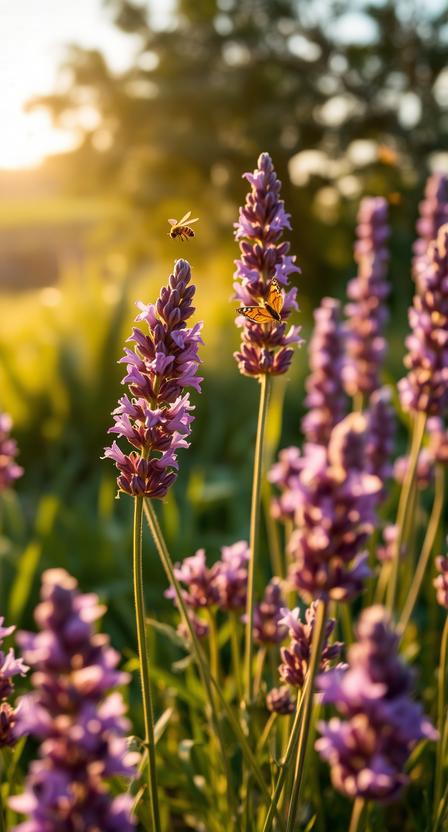
Lavender is one of the most popular plants for repelling bugs naturally. Its beautiful purple flowers and calming fragrance are loved by humans but hated by mosquitoes, moths, flies, and fleas.
The strong scent of lavender comes from its essential oils, which confuse and repel insects. You can plant lavender around patios, walkways, windows, or garden borders to create a natural bug barrier.
How to Grow Lavender
Lavender thrives in sunny areas with well-drained soil. It requires minimal watering once established, making it a low-maintenance choice for gardens.
Extra Benefits
- Promotes relaxation and better sleep
- Attracts pollinators like bees and butterflies
- Can be used in homemade sachets and oils
Marigolds
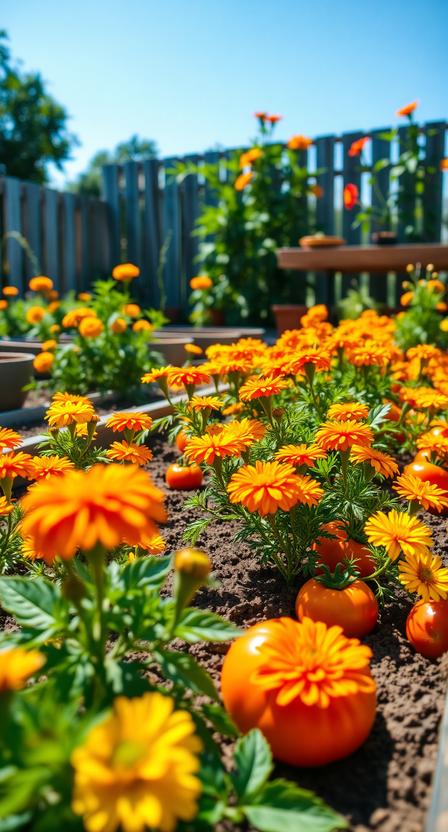
Marigolds are bright, cheerful flowers that do more than beautify your garden. They contain a natural compound called pyrethrum, which is commonly used in many insect repellents.
These colorful flowers help repel mosquitoes, aphids, whiteflies, and even rabbits in some cases. Gardeners often plant marigolds near vegetables to protect crops from harmful pests.
Best Places to Plant Marigolds
- Around vegetable gardens
- Near doors and windows
- Along garden borders
- In patio containers
Growing Tips
Marigolds love sunlight and bloom best in warm weather. They are easy to grow from seeds and require moderate watering.
Basil
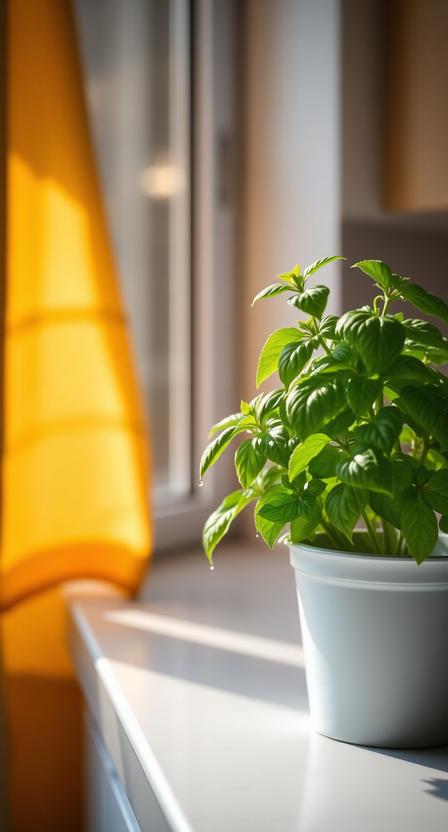
Basil is not only a delicious herb for cooking but also an excellent natural insect repellent. Its strong aroma helps keep mosquitoes and flies away from your home and garden.
Unlike many plants, basil releases its strongest scent without needing to crush the leaves, making it highly effective when placed in pots near seating areas or windows.
Types of Basil for Bug Control
Several basil varieties work well against bugs, including:
- Sweet basil
- Lemon basil
- Cinnamon basil
- Thai basil
Care Instructions
Basil grows best in warm temperatures with plenty of sunlight and moist soil. Regular pruning encourages fuller growth and stronger fragrance.
Mint
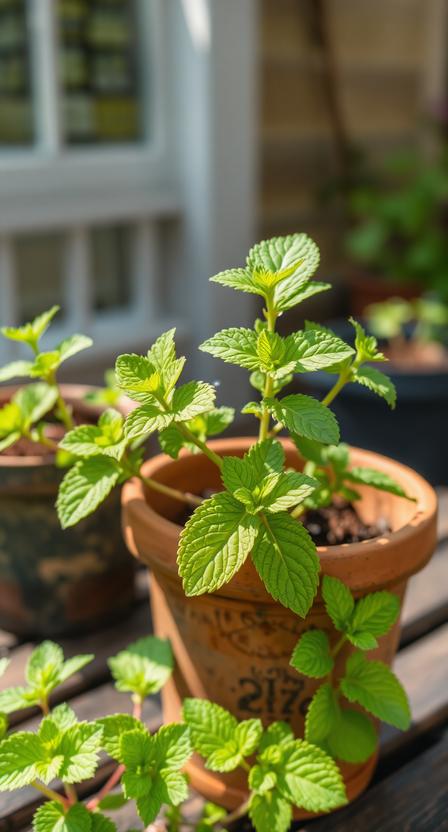
Mint is a fast-growing herb known for its refreshing scent and powerful bug-repelling abilities. Mosquitoes, ants, spiders, and flies dislike the strong smell of mint.
Because mint spreads aggressively, many gardeners prefer growing it in containers to keep it under control.
Popular Mint Varieties
- Peppermint
- Spearmint
- Chocolate mint
How Mint Repels Bugs
Mint leaves contain menthol, a natural compound that insects find overwhelming. Crushing a few leaves can release even more bug-repelling oils into the air.
Additional Uses
Mint is also great for:
- Herbal tea
- Desserts and drinks
- Freshening indoor spaces
Citronella Grass
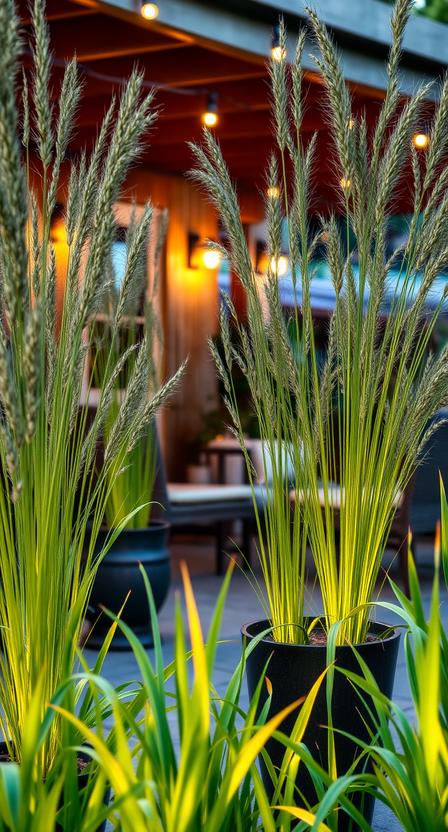
Citronella grass is widely recognized as one of the best natural mosquito repellents. Its citrus-like scent masks odors that attract mosquitoes, making it difficult for them to locate people.
Many commercial citronella candles and sprays are made using oils extracted from this plant.
Ideal Growing Conditions
Citronella grass prefers:
- Warm climates
- Full sunlight
- Moist but well-drained soil
It can grow quite large, so it’s ideal for outdoor gardens or large containers.
Best Uses Around the Home
Place citronella plants near:
- Outdoor seating areas
- Patios
- Decks
- Garden pathways
This helps create a more comfortable outdoor environment during summer evenings.
Rosemary
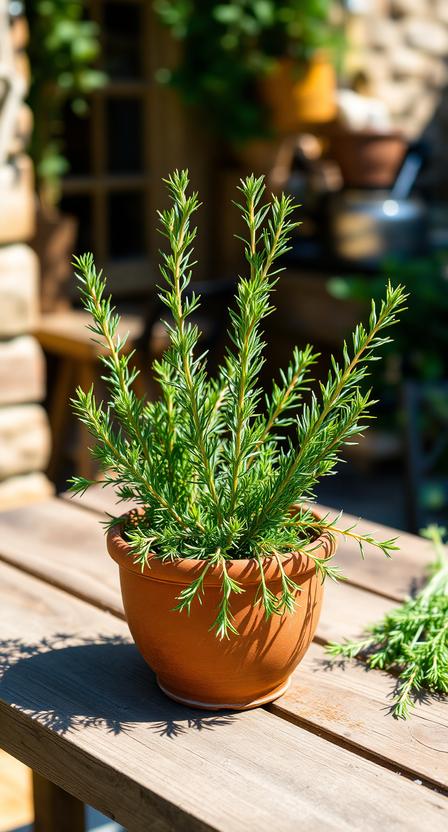
Rosemary is a fragrant herb that adds flavor to meals while naturally keeping bugs away. Mosquitoes, cabbage moths, and carrot flies dislike its woody scent.
This hardy herb grows well in gardens, containers, and even indoors with proper sunlight.
How to Use Rosemary Against Bugs
You can:
- Plant it around seating areas
- Burn small rosemary sprigs outdoors
- Place potted rosemary near entryways
Burning rosemary releases aromatic oils into the air, helping repel mosquitoes during outdoor gatherings.
Growing Rosemary
Rosemary prefers sunny locations and soil with good drainage. It tolerates dry conditions better than overwatering.
Lemongrass
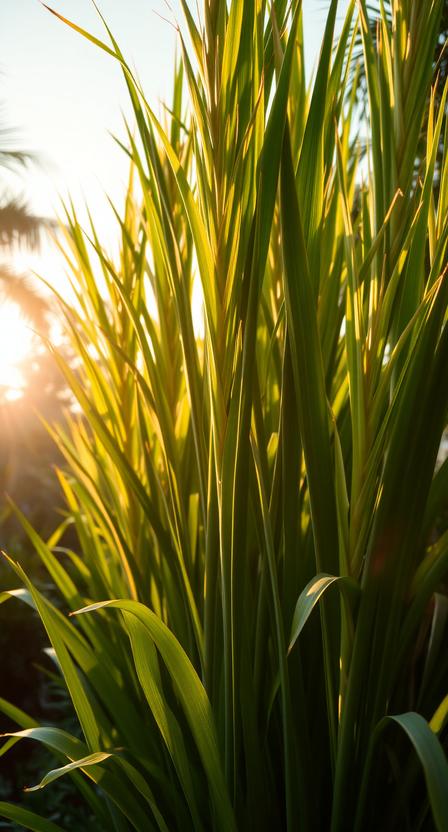
Lemongrass is another highly effective plant for natural bug control. It contains citronella oil, which is commonly used in mosquito repellents.
Its tall, grassy appearance makes it attractive in landscapes while serving a practical purpose.
Why Bugs Hate Lemongrass
The strong lemon scent interferes with insects’ ability to detect food and humans, especially mosquitoes.
Planting Tips
Lemongrass grows best in:
- Warm temperatures
- Full sunlight
- Fertile, well-drained soil
It can be grown in large pots or directly in the ground.
Bonus Benefits
Lemongrass is also popular in cooking, especially in Asian cuisine, adding fresh citrus flavor to soups and curries.
How to Create a Bug-Repelling Garden
Combining several bug-repelling plants together can improve their effectiveness. A well-planned garden not only keeps insects away but also creates a relaxing and visually appealing outdoor space.
Tips for Better Results
- Place plants near windows and doors
- Use containers around patios and decks
- Mix herbs and flowers together
- Regularly trim plants to release fragrance
- Remove standing water to reduce mosquito breeding
Using multiple plants creates layers of protection against different types of pests.
Indoor Plants That Help Keep Bugs Away
Some of these plants also work well indoors. Basil, mint, lavender, and rosemary can thrive inside with enough sunlight.
Indoor Placement Ideas
- Kitchen windowsills
- Living room corners
- Near entryways
- Balcony gardens
Indoor bug-repelling plants can help reduce flies and mosquitoes while naturally freshening your home.
Common Mistakes to Avoid
Although these plants are helpful, proper care is important for the best results.
Overwatering
Many herbs like rosemary and lavender dislike overly wet soil. Too much moisture can damage roots.
Poor Sunlight
Most bug-repelling plants need several hours of direct sunlight daily. Weak sunlight can reduce their fragrance and effectiveness.
Relying Only on Plants
While these plants help reduce insects, they may not completely eliminate severe infestations. Combining them with good cleaning and maintenance practices works best.
Final Thoughts
Using plants that keep bugs away is one of the easiest and most natural ways to enjoy a healthier home and garden. From the calming scent of lavender to the mosquito-fighting power of citronella and lemongrass, these plants offer beauty, fragrance, and practical protection.
Whether you have a large backyard, a small balcony, or just a sunny kitchen window, adding bug-repelling plants can help create a more comfortable and relaxing environment naturally.